What is "Dry Needling"?
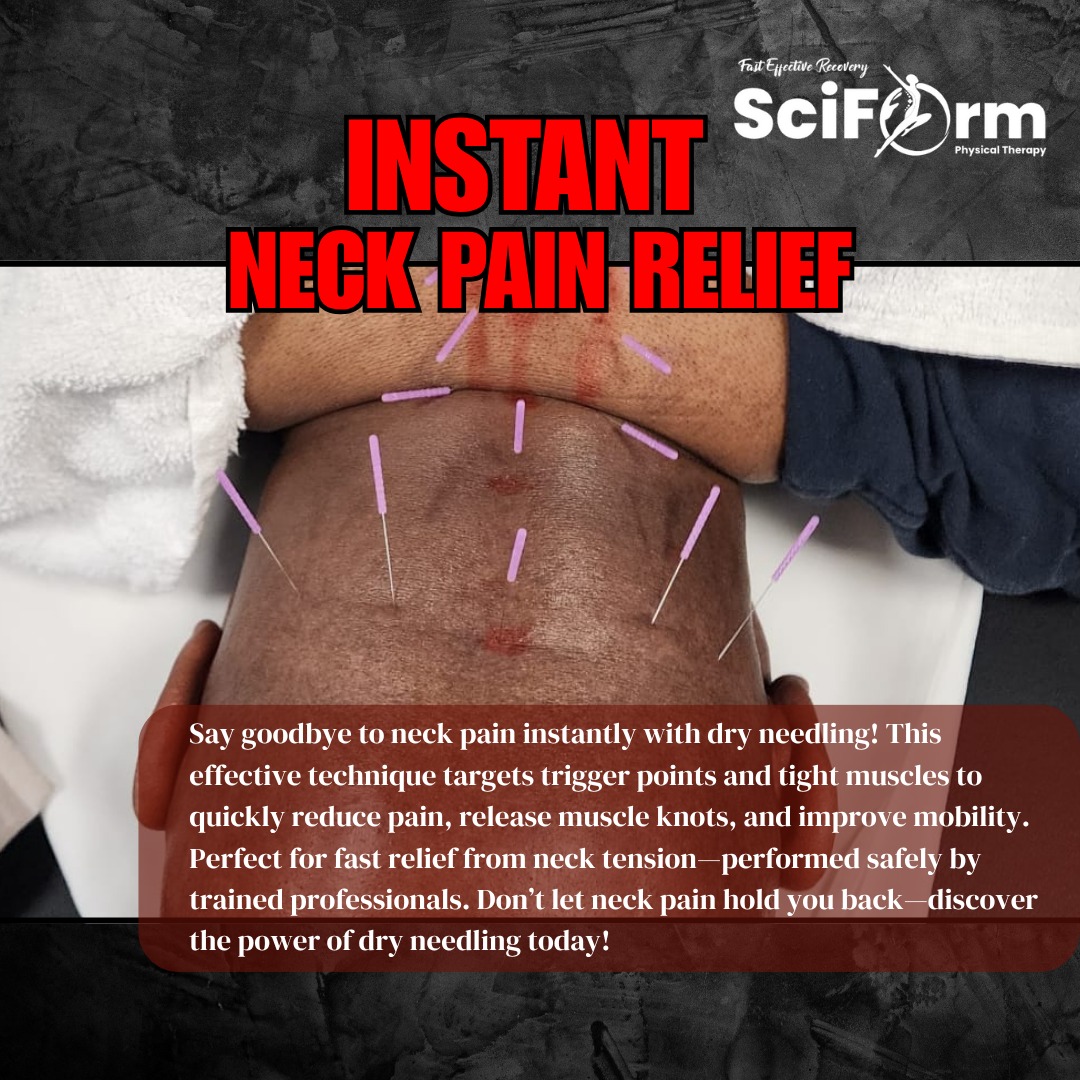
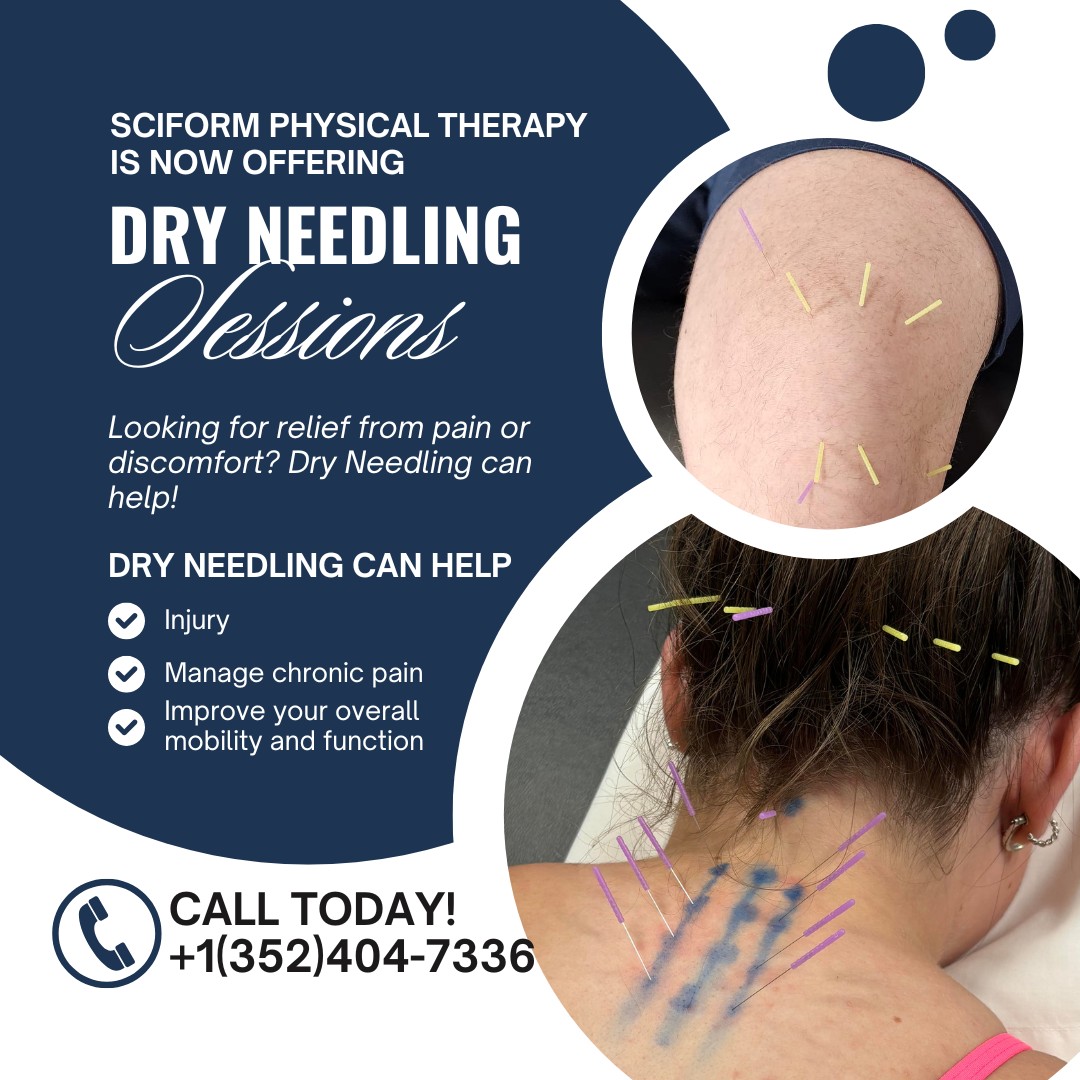
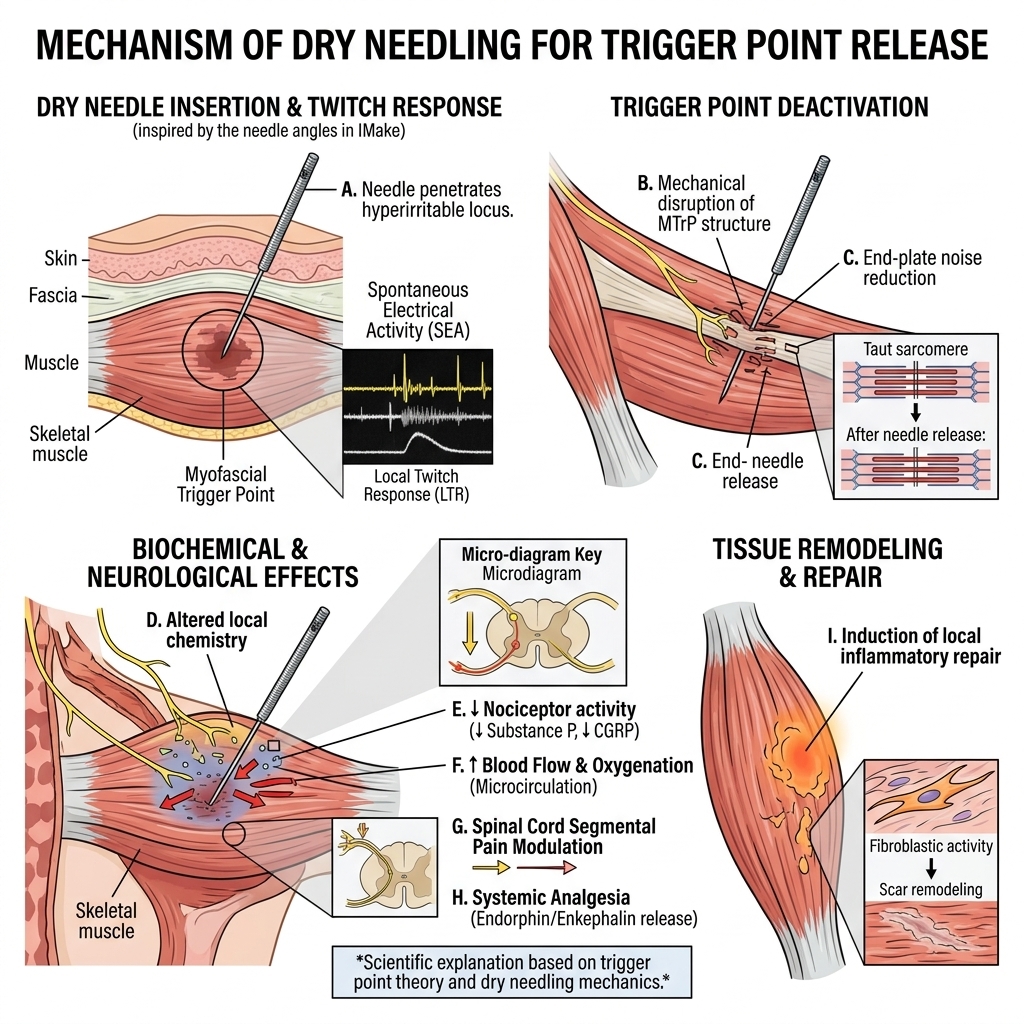
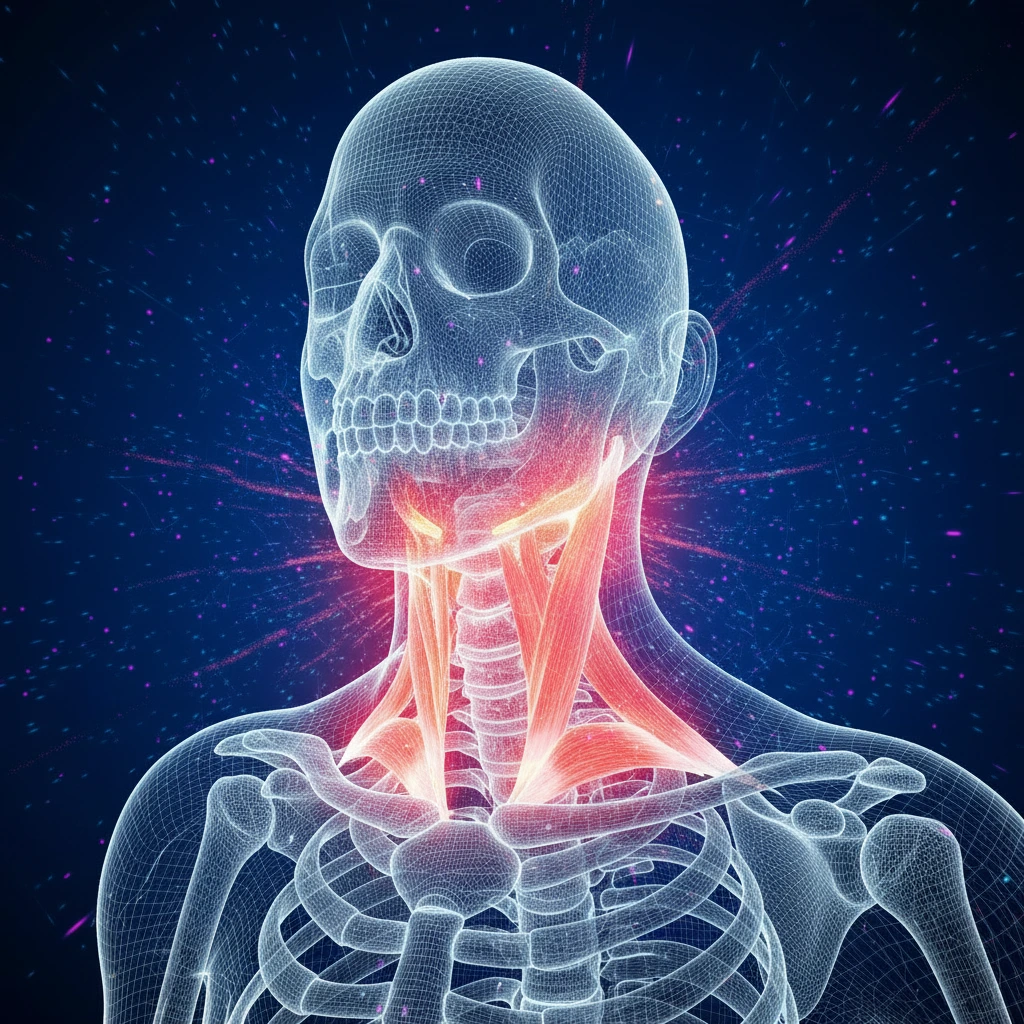
Dry needling is a revolutionary new therapeutic technique that involves inserting thin, solid filament needles into specific trigger points in muscles to relieve pain, improve mobility, and promote healing.
This process stimulates muscle fibers, causing them to contract and release, which helps reduce tightness, increase blood flow, and flush out acidic buildup that contributes to pain and dysfunction.
How does it Work?
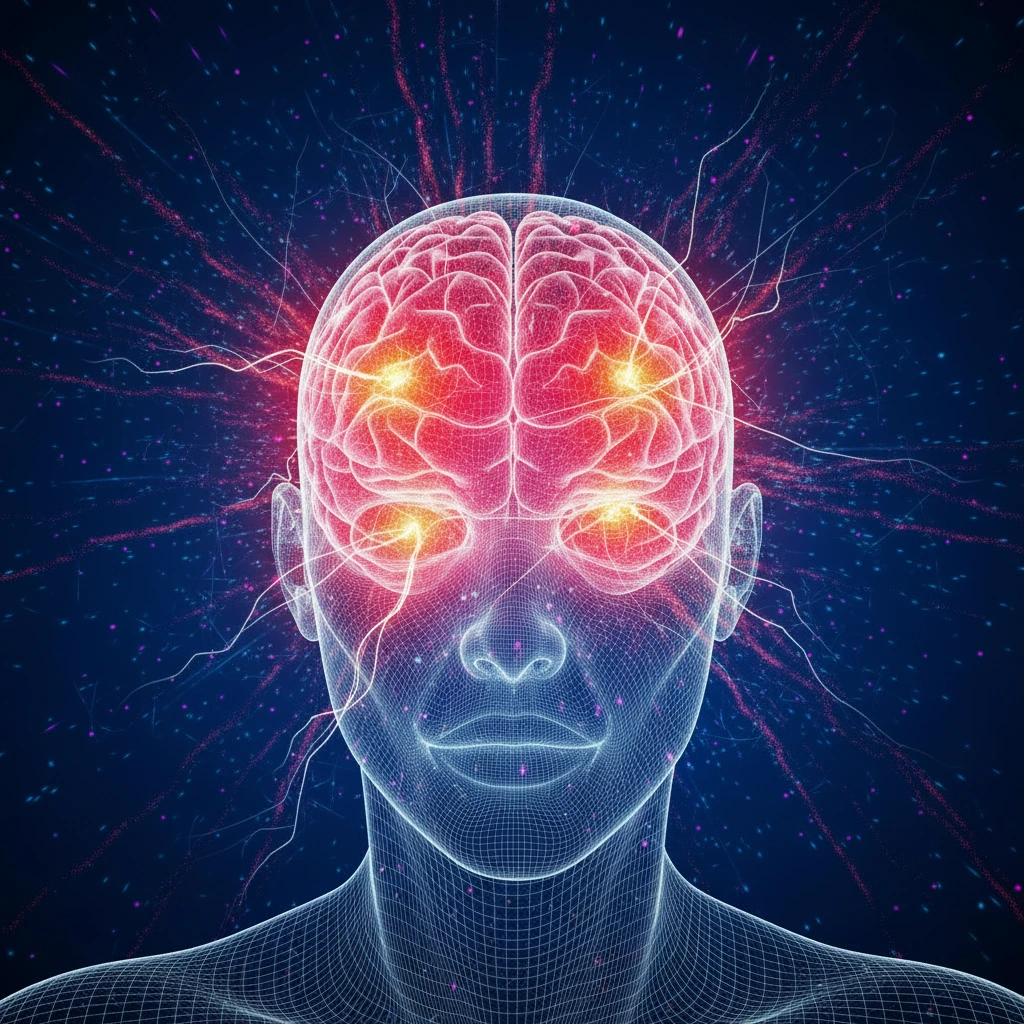
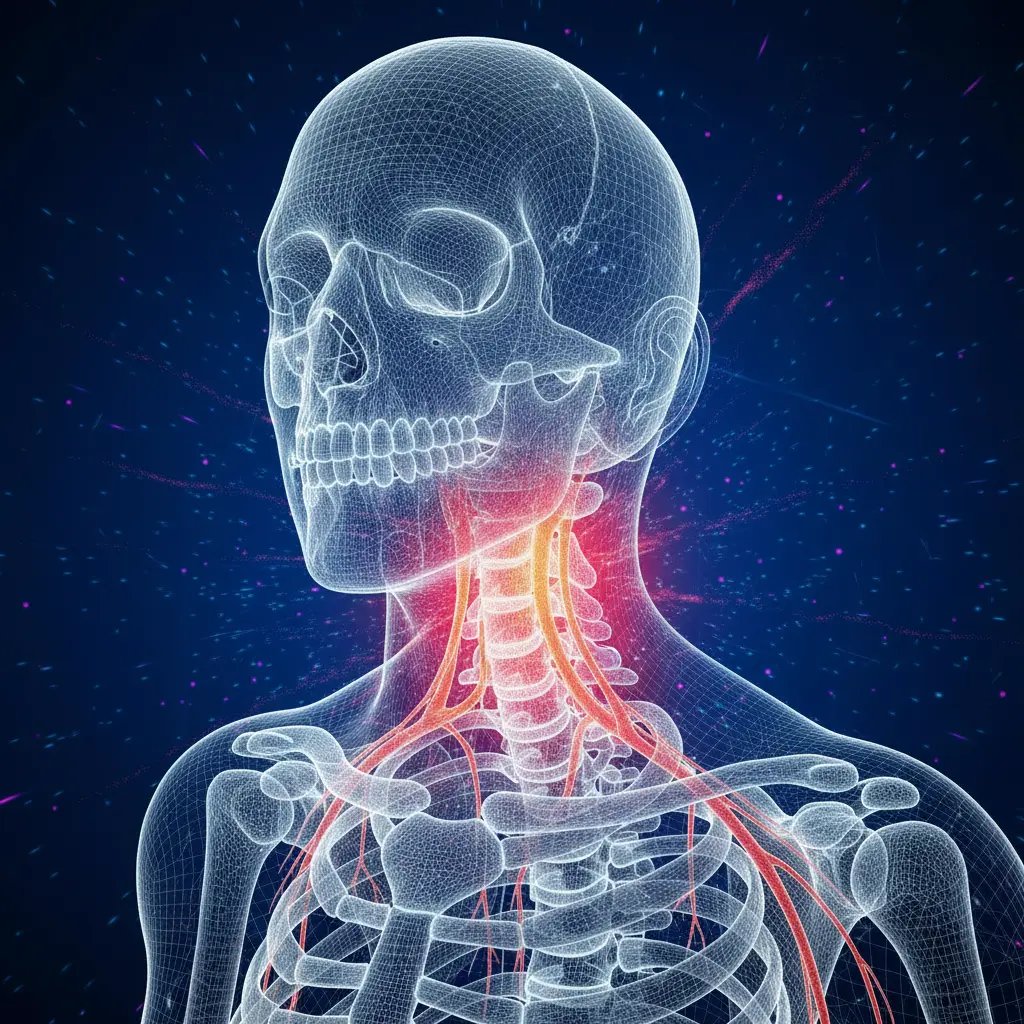
Additionally, the needle insertion activates nerve fibers, prompting the brain to release endorphins—natural pain-relieving hormones.
Physical therapists commonly use dry needling to treat conditions such as myofascial pain syndrome, tension headaches, and sports injuries, often leading to a faster rate of recovery and enhanced treatment efficacy.
Why use Dry Needling?
When combined with other therapies, dry needling can significantly accelerate healing, reduce muscle tension, and improve functional outcomes, making it a highly effective component of comprehensive rehabilitation programs.
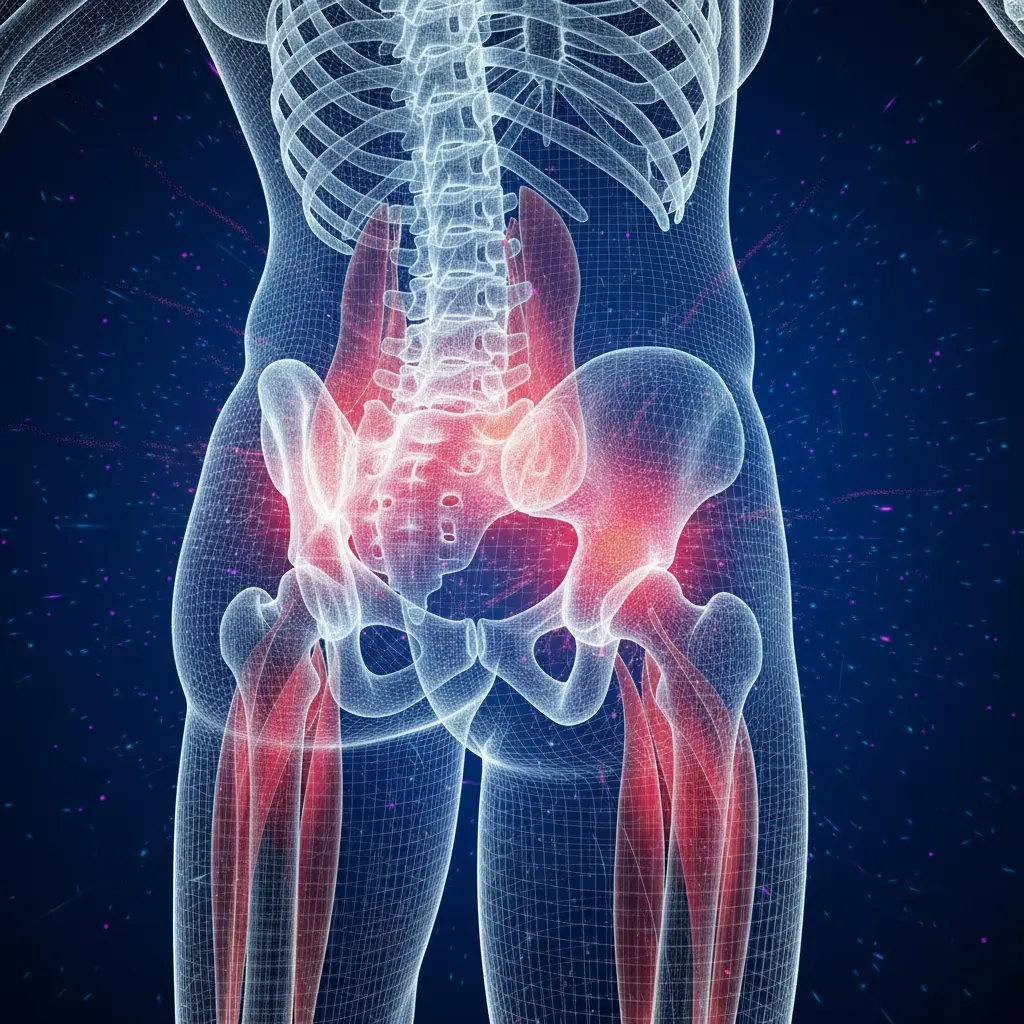
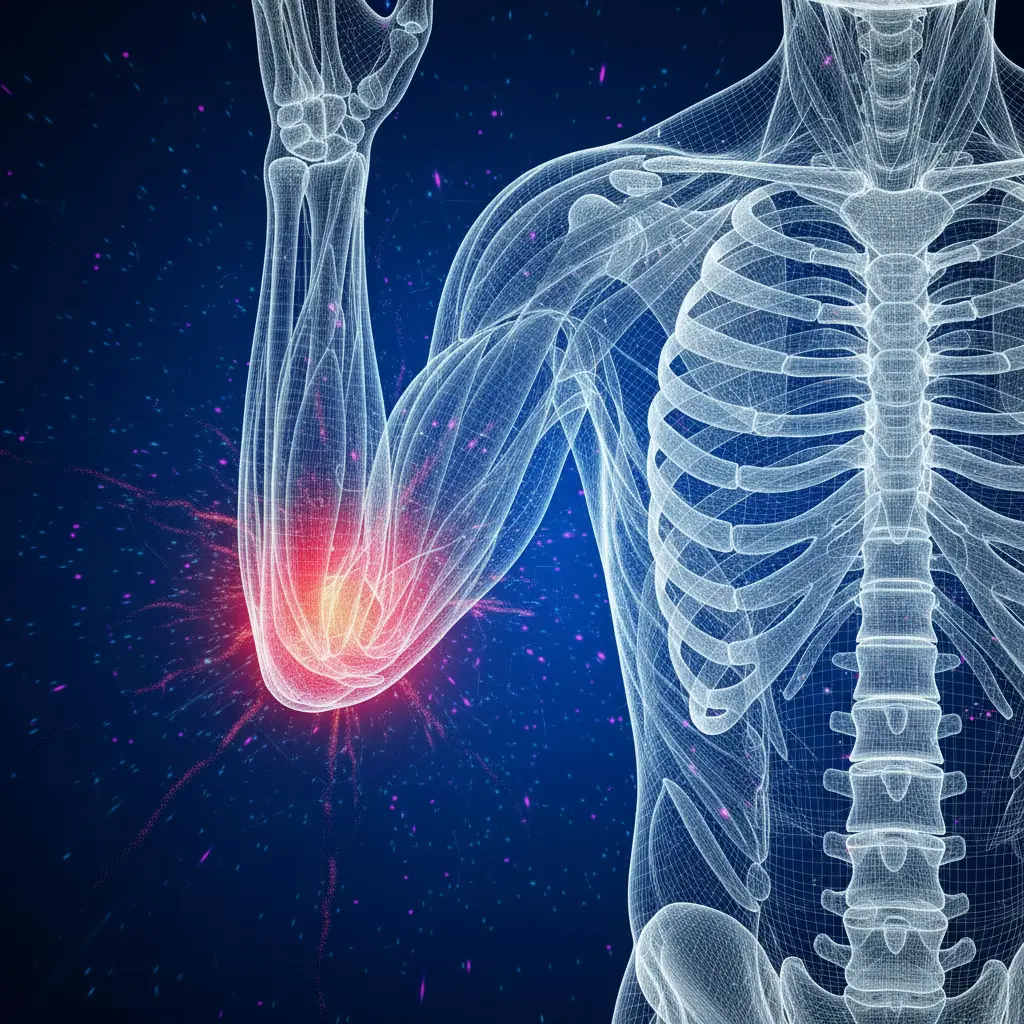
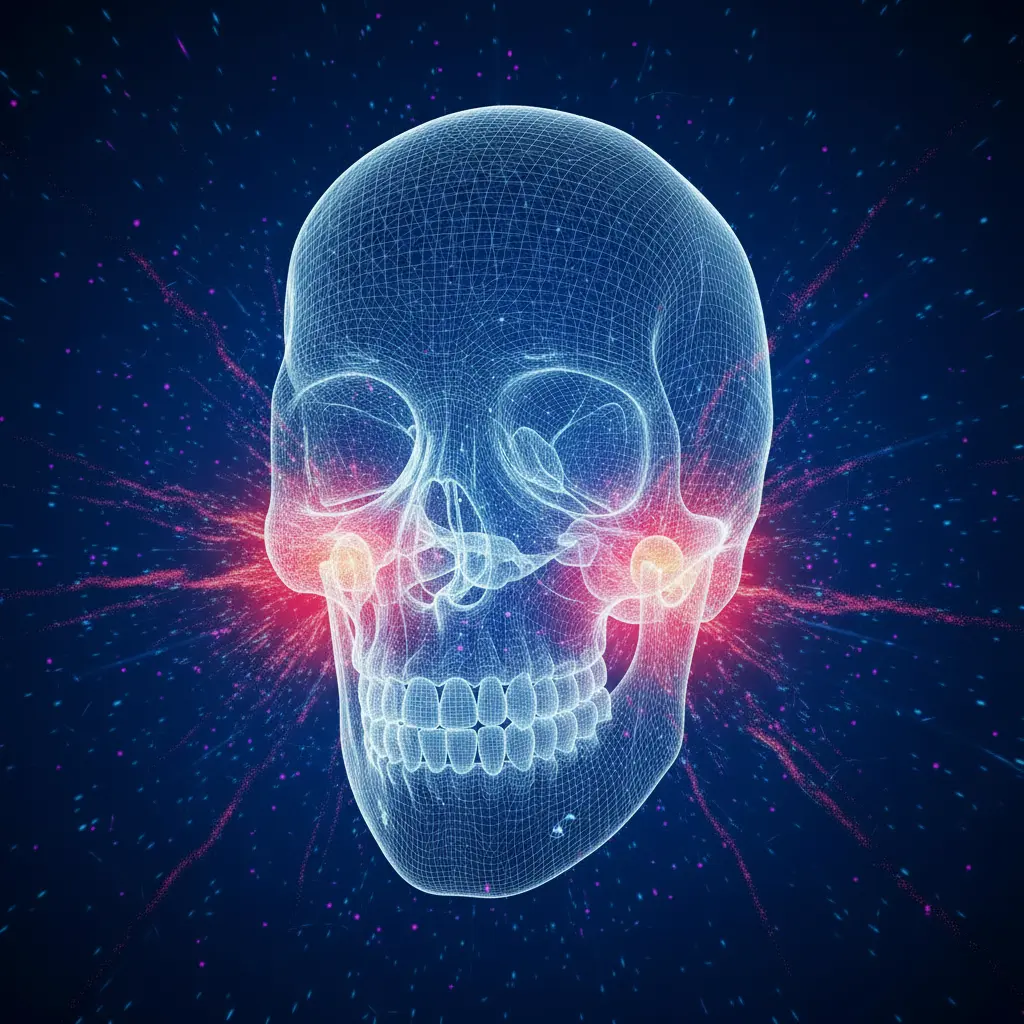
Commonly Treated Conditions
See Examples of our Treatment Here
Before & After Video
Video Demonstration
Our Treatment in Action
Real Success Stories
Dry Needling FAQs
A physical therapy technique using thin, filiform needles to target myofascial trigger points—tight, painful muscle knots. Unlike acupuncture (which balances qi along meridians), dry needling is based on Western anatomy and aims to release muscle tension, reduce pain, and restore movement. “Dry” means no medication is injected.
Needle insertion into a trigger point causes a local twitch response—a quick involuntary muscle contraction that releases the taut band, improves blood flow, and normalizes electrical activity. It also stimulates the nervous system to reduce pain signals and promote healing.
A mild prick on insertion, then a deep ache, cramp, or twitch when the trigger point is hit—a sign it’s working. Sensation lasts seconds. Post-treatment soreness (like after a workout) is common and fades in 24–48 hours. Most patients tolerate it well.
No. Dry needling targets specific muscle knots based on anatomy; acupuncture balances energy along meridians. Training, philosophy, and needle placement differ, though both use thin needles. Some practitioners offer both.
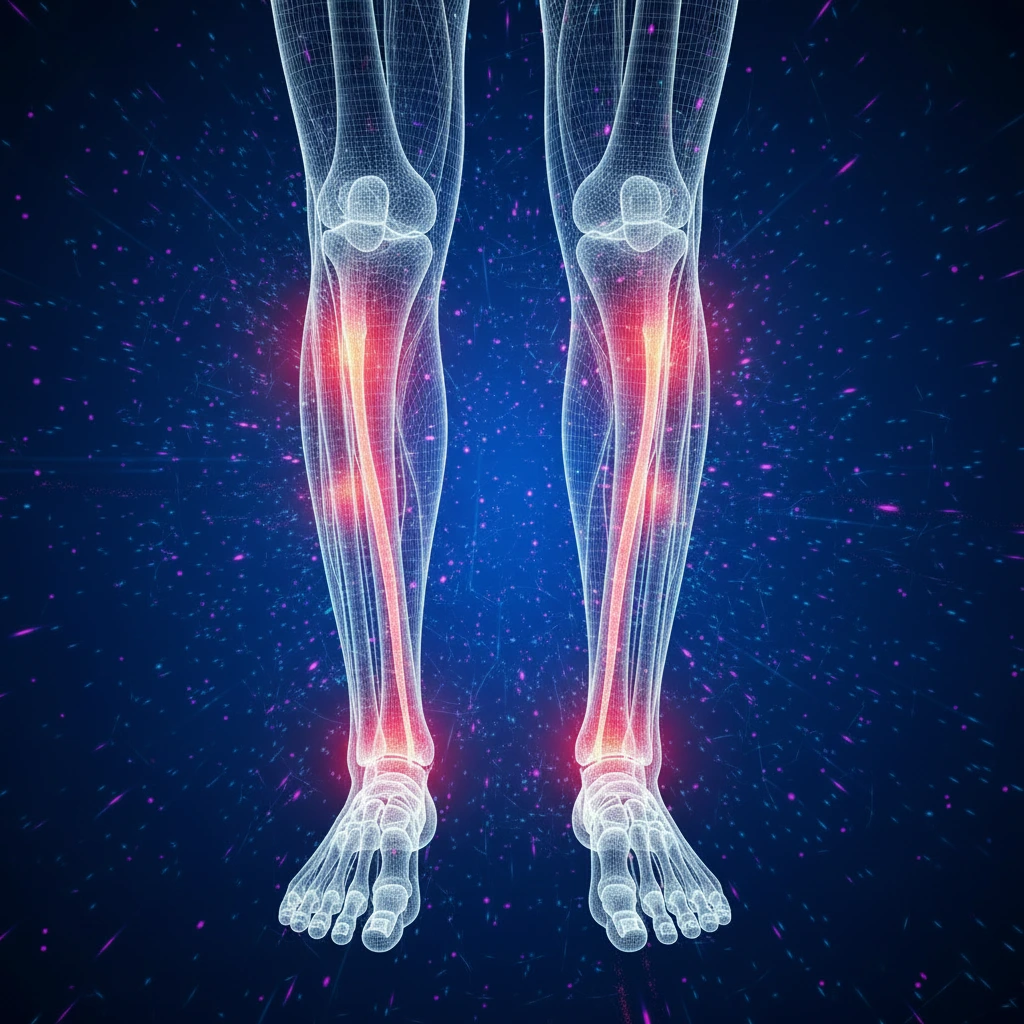
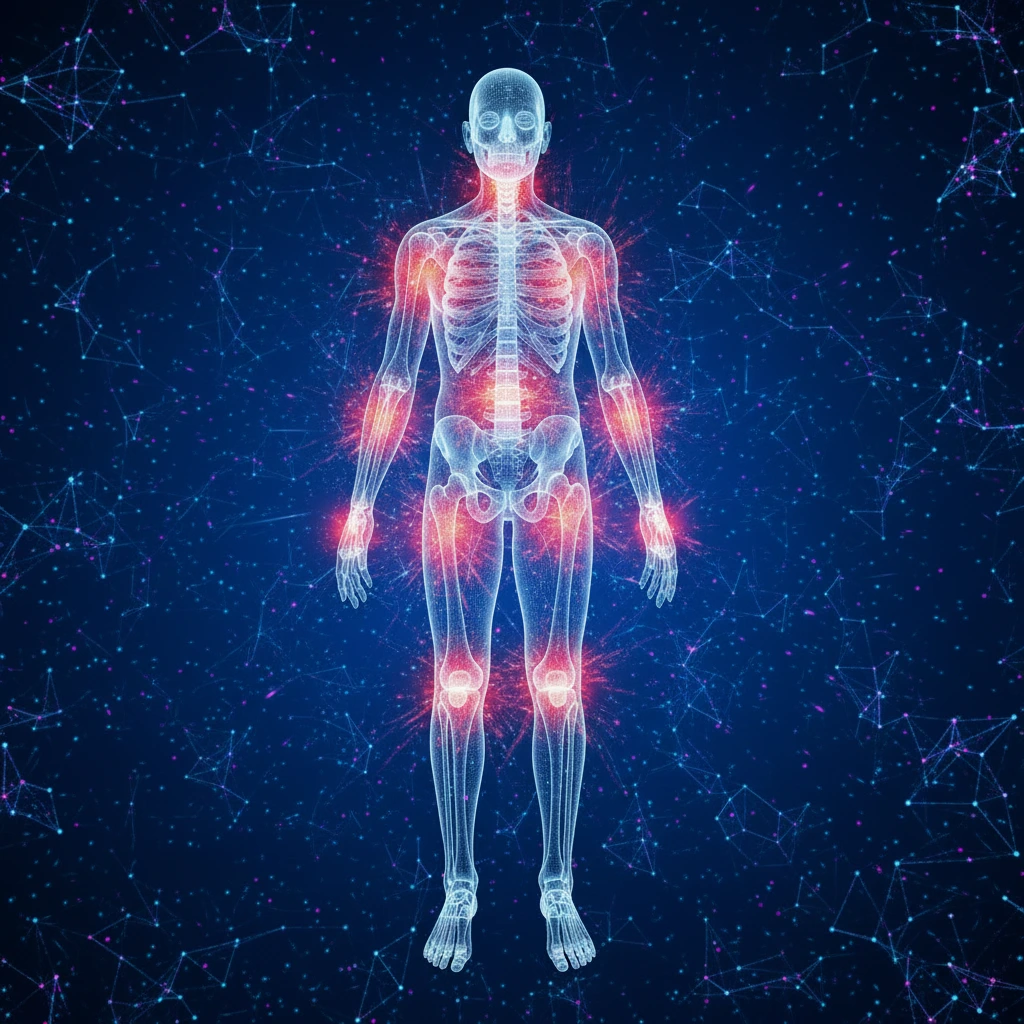
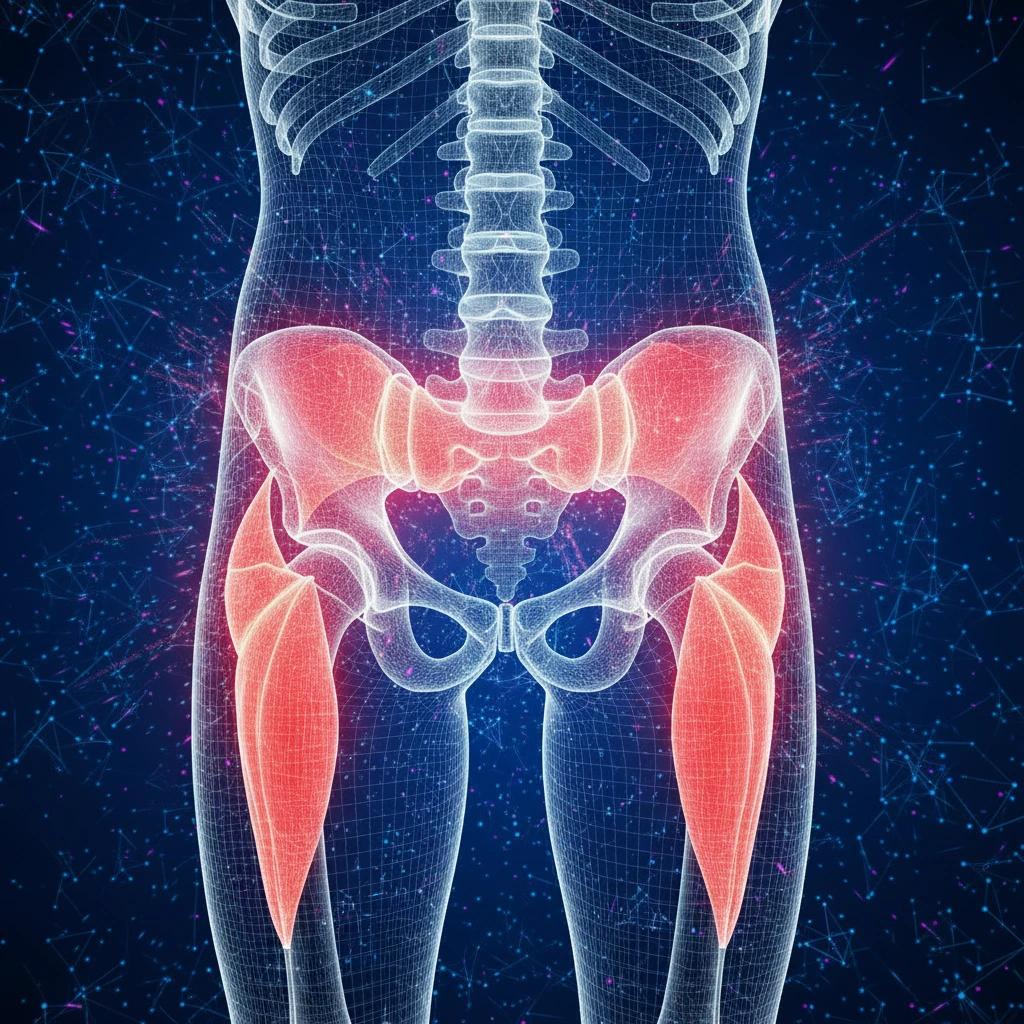
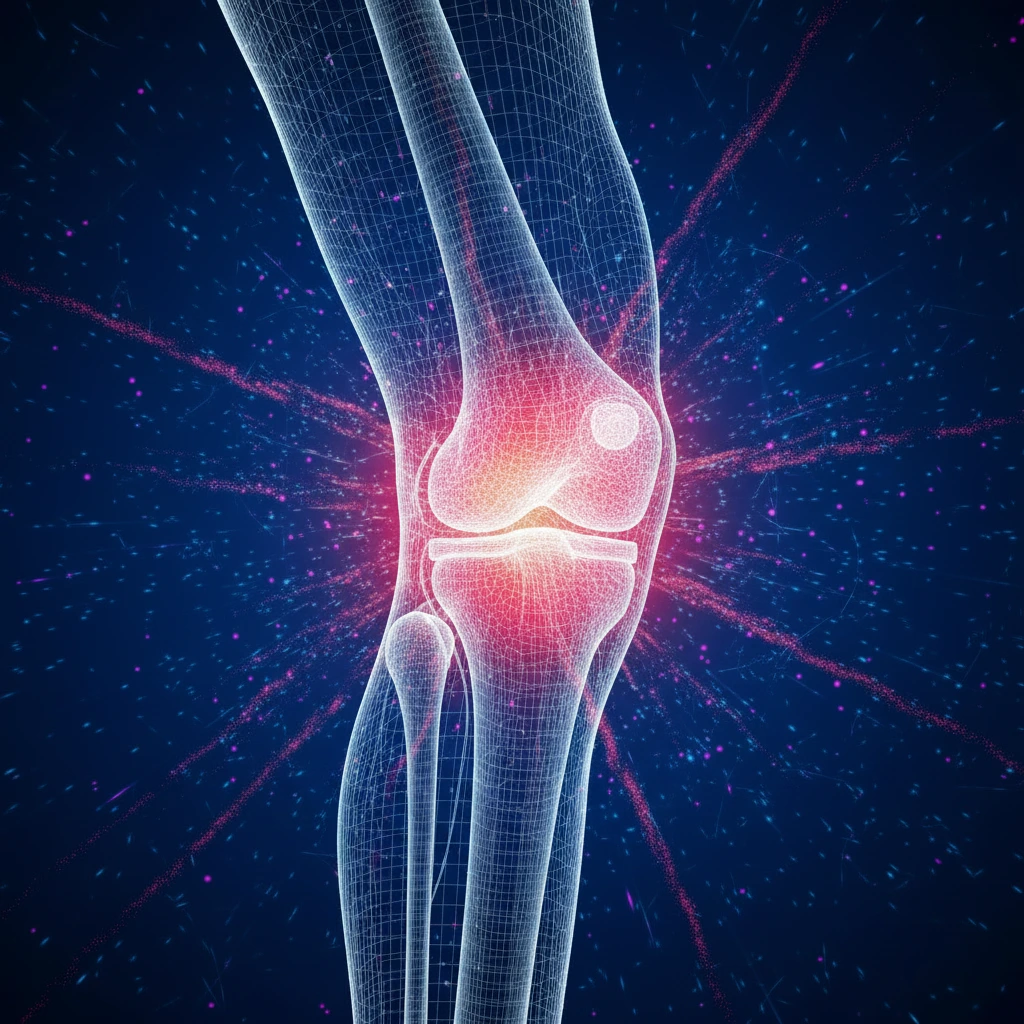
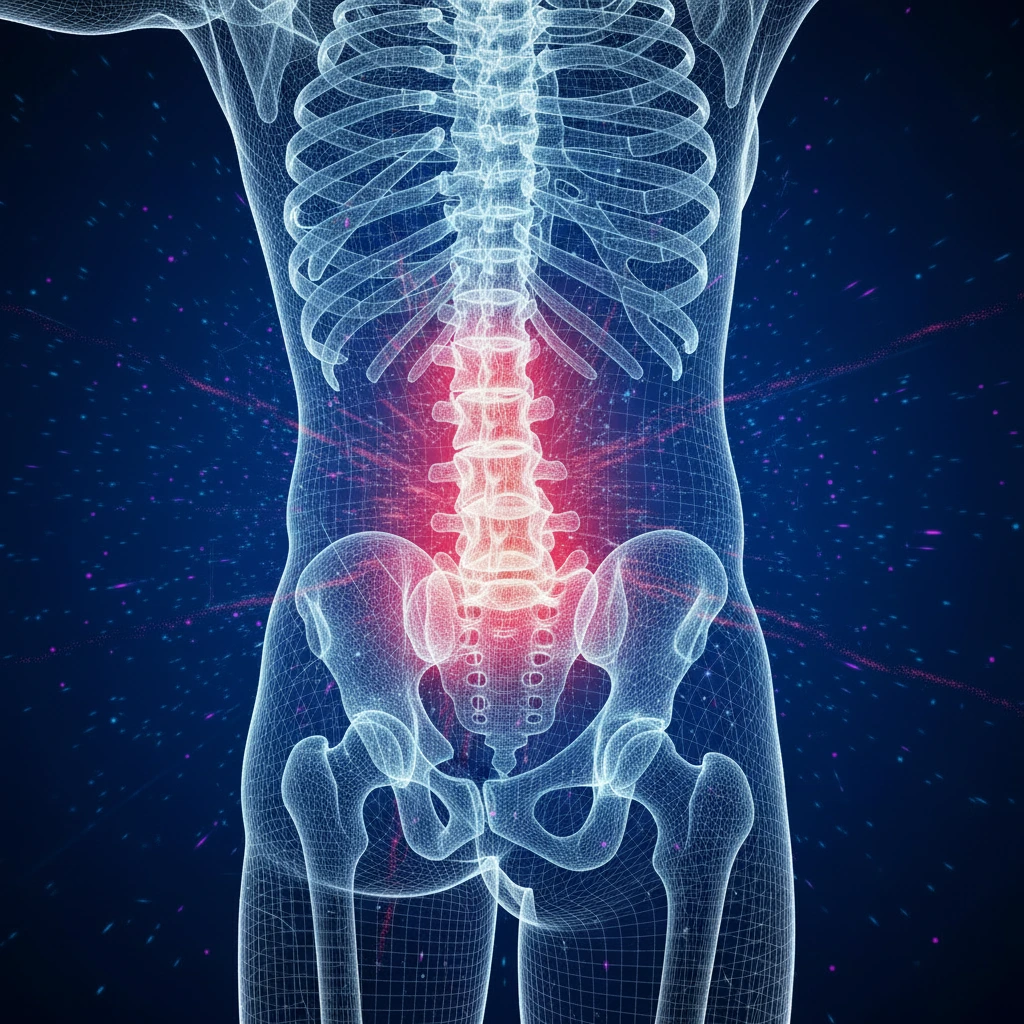
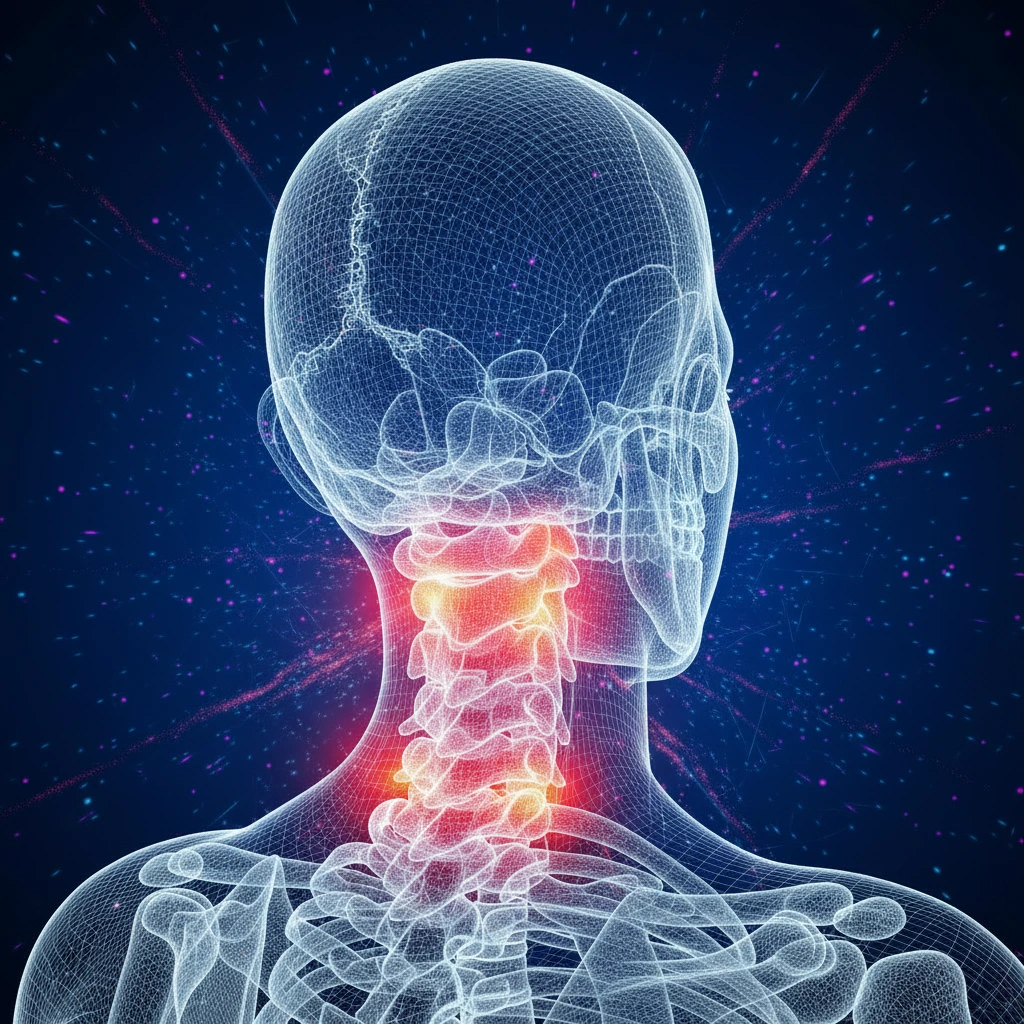
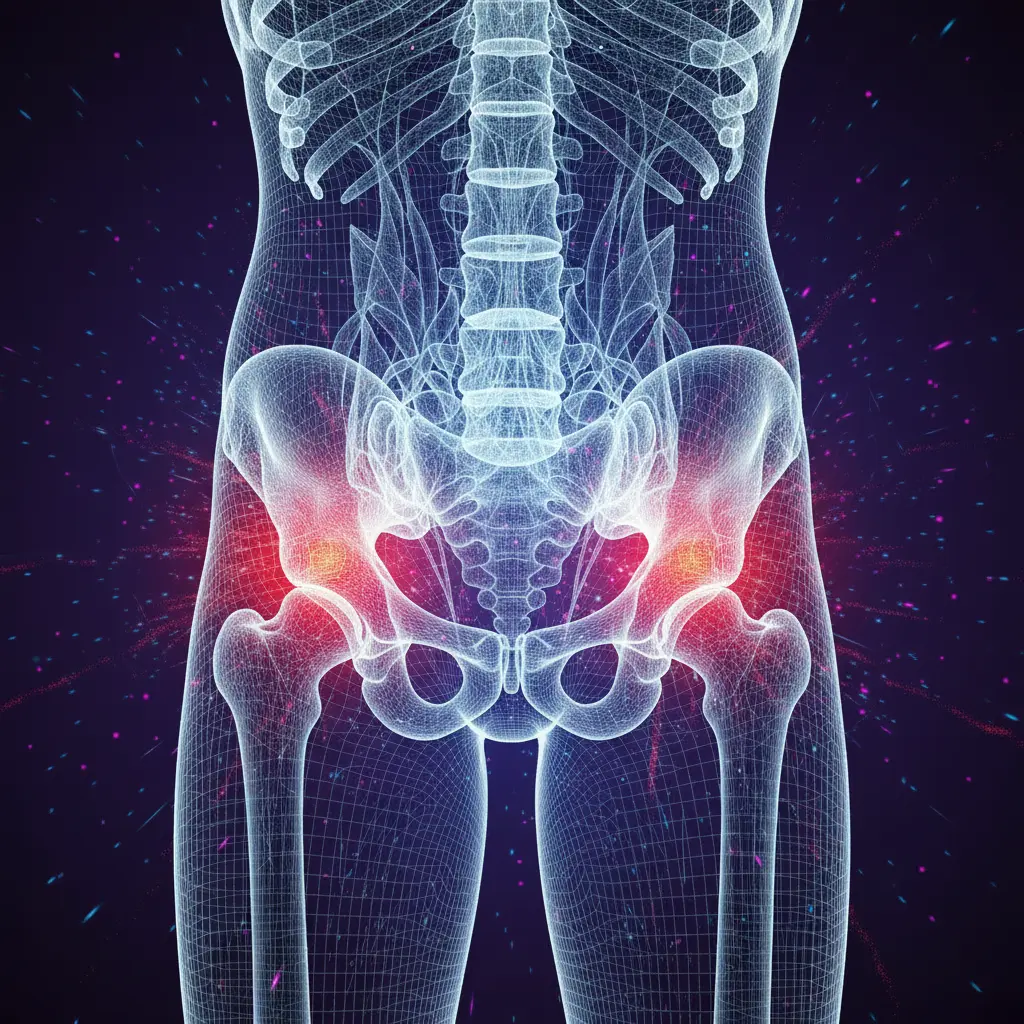
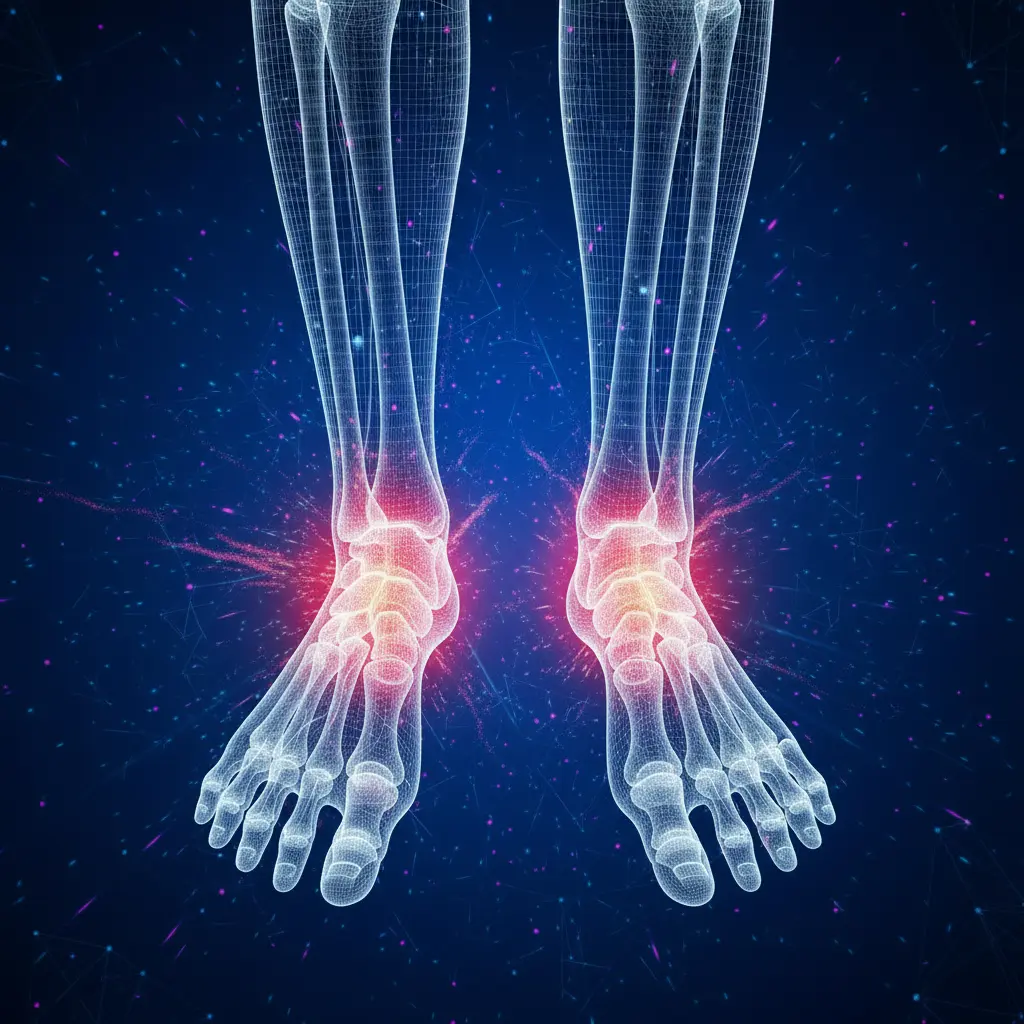
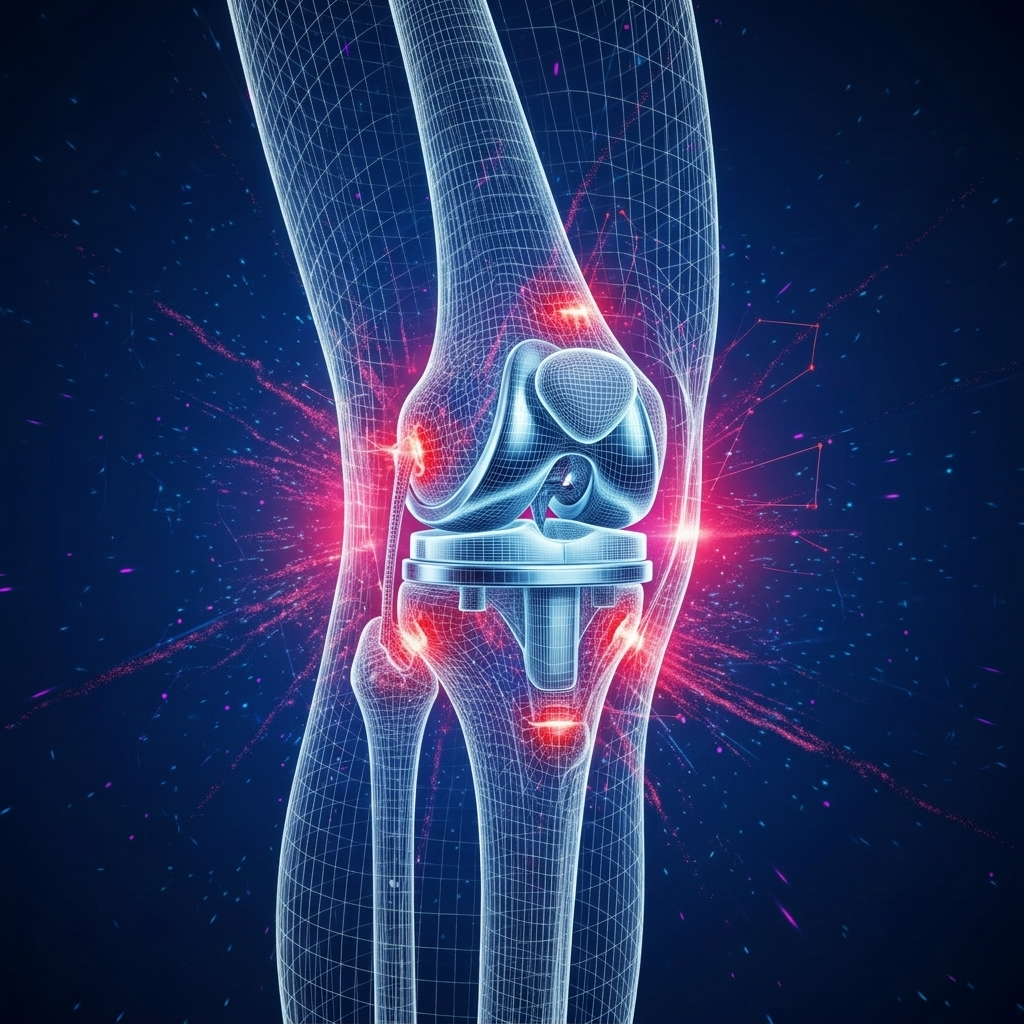
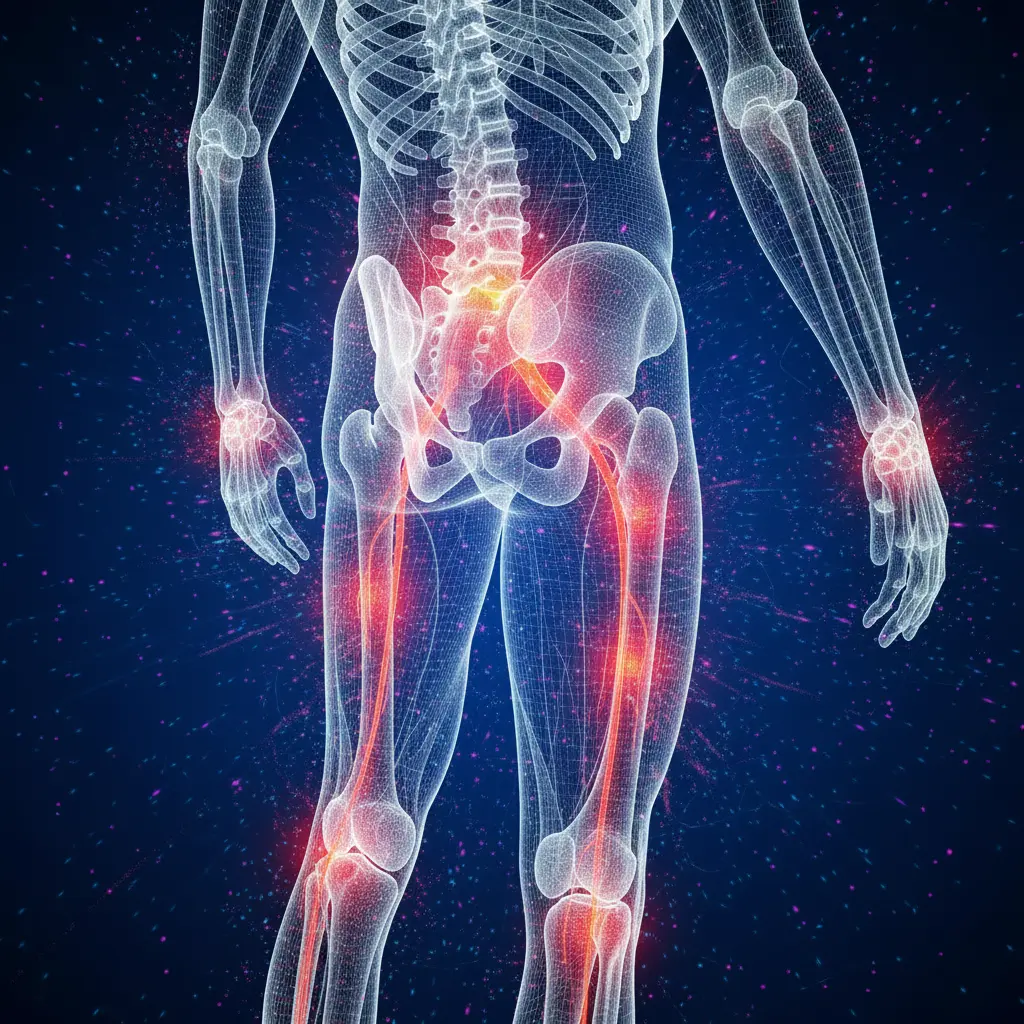
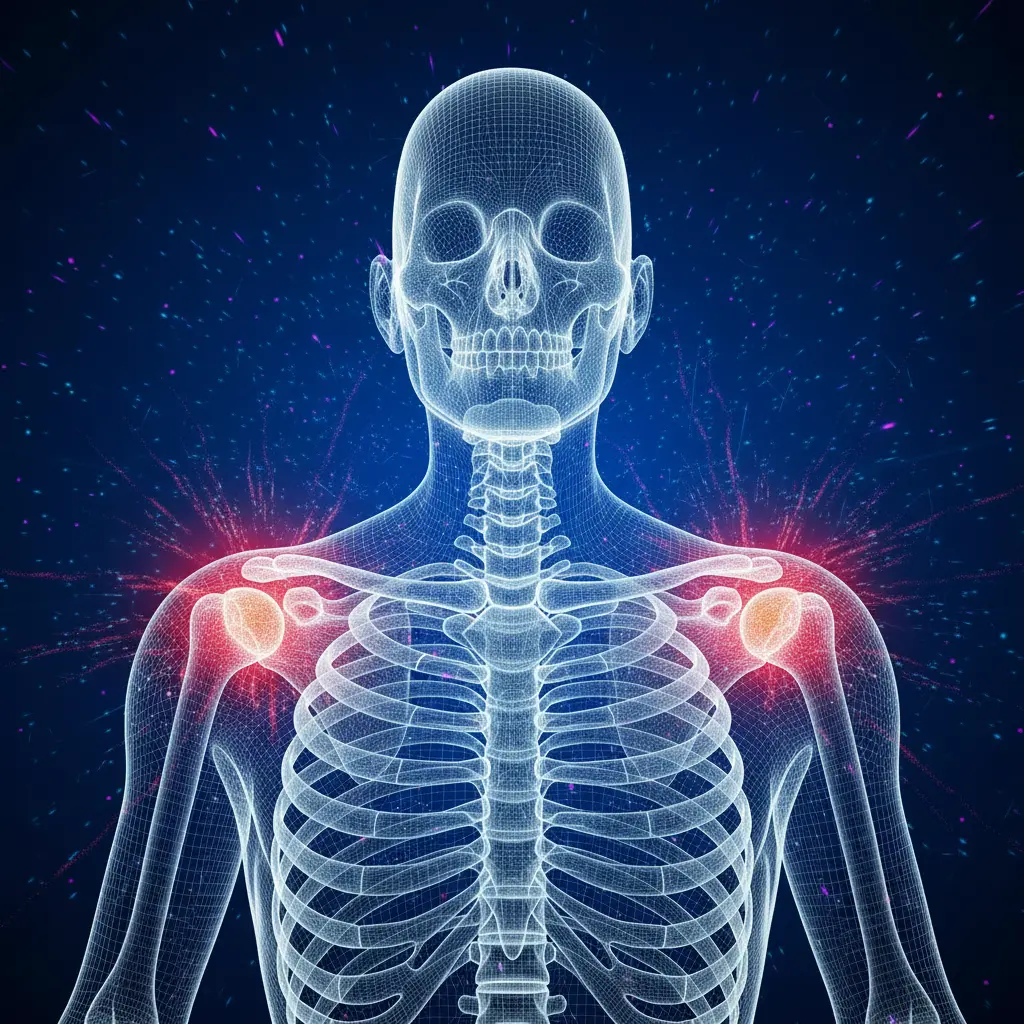
Neck, back, shoulder, hip, knee, and foot pain; headaches and migraines; TMJ; tennis/golfer’s elbow; plantar fasciitis; sciatica; piriformis syndrome; SI joint pain; gluteal tendinopathy; pelvic floor dysfunction; scar tissue; post-surgical recovery (including knee replacement and C-section scars); sports injuries; fibromyalgia; arthritis.
Rapid pain relief, improved range of motion, reduced muscle tension and knots, better circulation, decreased inflammation, enhanced physical therapy outcomes, drug-free pain management, and longer-lasting results when combined with exercise.
Some feel relief immediately; others within 24–48 hours. Chronic conditions may need 3–6 sessions spaced 1–2 weeks apart. Results vary—some last days or weeks per session; combining with strengthening and lifestyle changes extends them.
Acute issues: 1–2x/week. Chronic: every 1–2 weeks. Maintenance: monthly as needed. Most see improvement within 3–4 sessions.
Yes, when performed by a licensed, trained professional. Common: bruising, soreness, minor bleeding, fatigue, temporary twitching. Rare: pneumothorax (collapsed lung—extremely rare with proper technique), infection, nerve irritation. Not recommended for certain bleeding disorders or needle phobia; pregnant patients should consult their provider (some points avoided).
Yes. E-stim dry needling attaches clips to needles and passes a mild current, increasing blood flow, reducing pain more powerfully, and enhancing trigger point release. Not painful—most feel gentle tingling. Especially helpful for chronic pain, plantar fasciitis, and large muscle groups.
Unfortunately insurances do not pay for this service. Self-pay options available. Call for options.
A doctor’s referal is not necessary in the state of Florida.
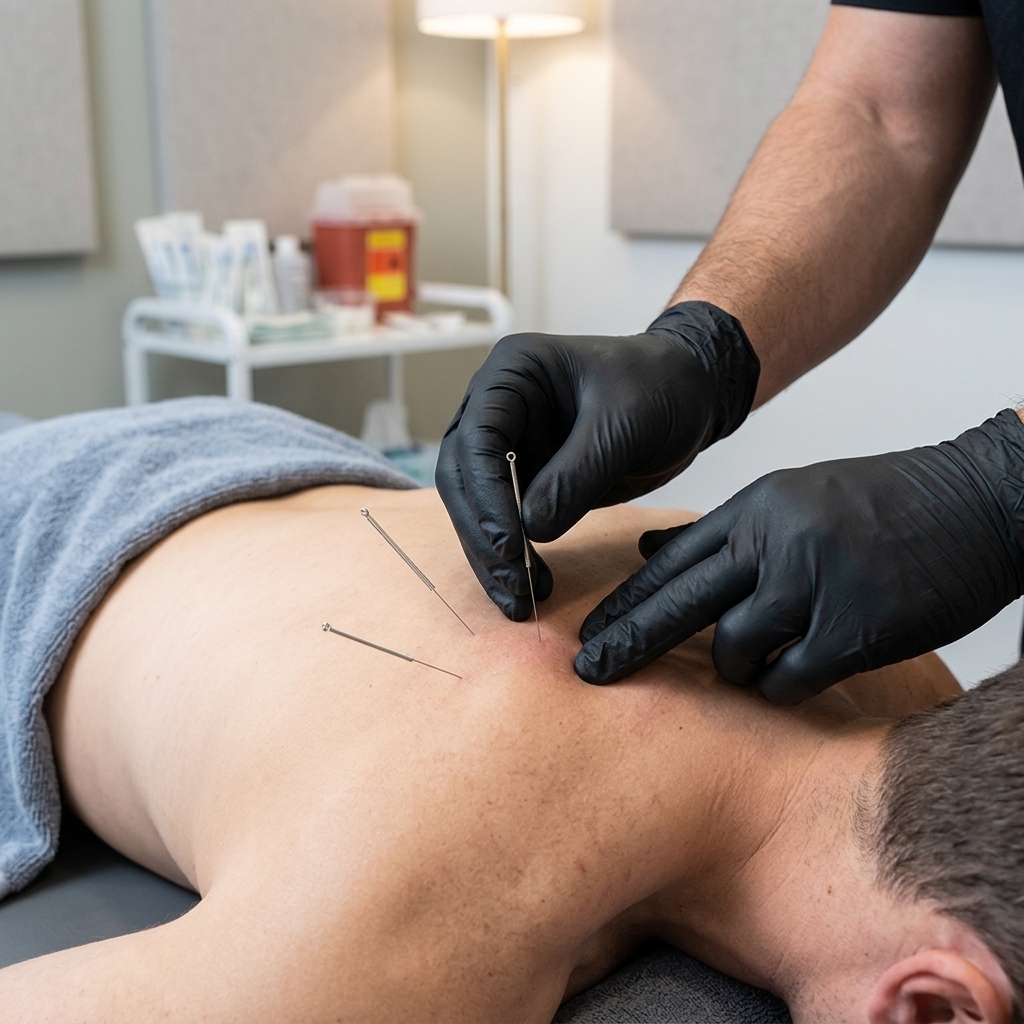
Assessment → consent → comfortable positioning and cleaning → needle insertion → twitch response → optional e-stim → needle removal after 10–30 minutes → re-assessment → aftercare instructions. Needling takes 15–30 minutes; full session 30–60 minutes.
Stay hydrated, avoid strenuous activity for 24–48 hours, apply heat for soreness, avoid alcohol for 24 hours, gentle movement encouraged. Light walking and stretching are usually fine. Report severe pain, shortness of breath, or infection signs.
No. Only licensed, trained professionals in a clinical setting. Home attempts risk serious injury, infection, or pneumothorax. Concierge in-home services are available from us at higher pricing based on time and location.
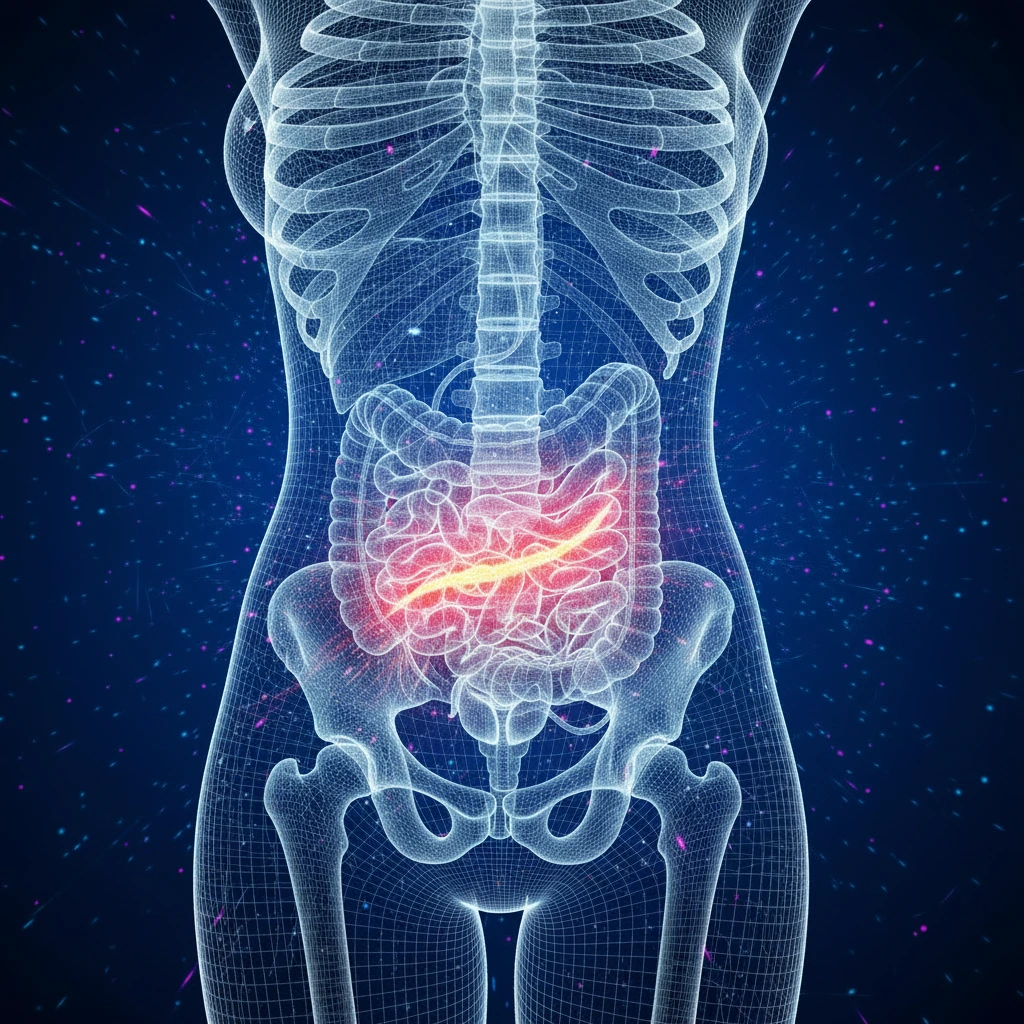
Yes, when performed by a trained professional who avoids certain points (lower abdomen, pelvic floor, some leg points). Helpful for low back pain, hip pain, and sciatica. Always inform your therapist.
Dry needling uses thin filiform needles and injects nothing; trigger point injections use larger hollow needles with anesthetic, saline, or steroid. Dry needling is less invasive, often more frequent; injections are usually less frequent. Both can be effective.
Cupping uses suction to pull tissue upward; dry needling uses needles to release trigger points from within. They can be combined—cupping for superficial tension, dry needling for deeper knots.
Dry needling releases trigger points and improves muscle function (multiple sessions, less invasive, lower cost). Botox temporarily paralyzes muscles (every 3–4 months, higher cost, side effects like weakness). Both effective; dry needling addresses function.
Yes, research supports it for neck/back pain, shoulder pain, knee osteoarthritis, plantar fasciitis, headaches, TMJ, fibromyalgia, and sports injuries. Not considered experimental clinically, though some insurers classify it that way for coverage.
Pros: rapid relief, drug-free, minimally invasive, enhances other treatments. Cons: temporary soreness/bruising, may need multiple sessions, not always covered, rare risks, not effective for everyone. Works best as part of a comprehensive plan.
0.16–0.30 mm diameter, 15–75 mm length, depending on muscle depth and area. Thinner for superficial/sensitive areas; thicker/longer for deep muscles like glutes or quadratus lumborum.
Local twitch response releases taut bands; increased blood flow; reduced pain signaling; release of endogenous opioids; normalized muscle electrical activity; reduced inflammation.